

You may not have realized it, but you’ve already come across an example of the new “dopamine design” trend. Graphic design has always been a tool for convincing people of something through aesthetics. Whatever the product or service, it is design that develops it and graphic design that convinces its audience of its importance. On billboards, packaging, online ads, design is omnipresent.
And nowadays, we know that brands are not only competing for the public’s money, but also for time (okay, okay, time is money). The endless scrolling of social networks creates a competition for attention that is won by the most interesting, the one that releases the most dopamine. Until not so long ago, this dopamine appeared mainly through notifications. Receiving a message or being tagged in a comment or photo meant receiving a notification on the phone screen and, consequently, that little bit of dopamine released.
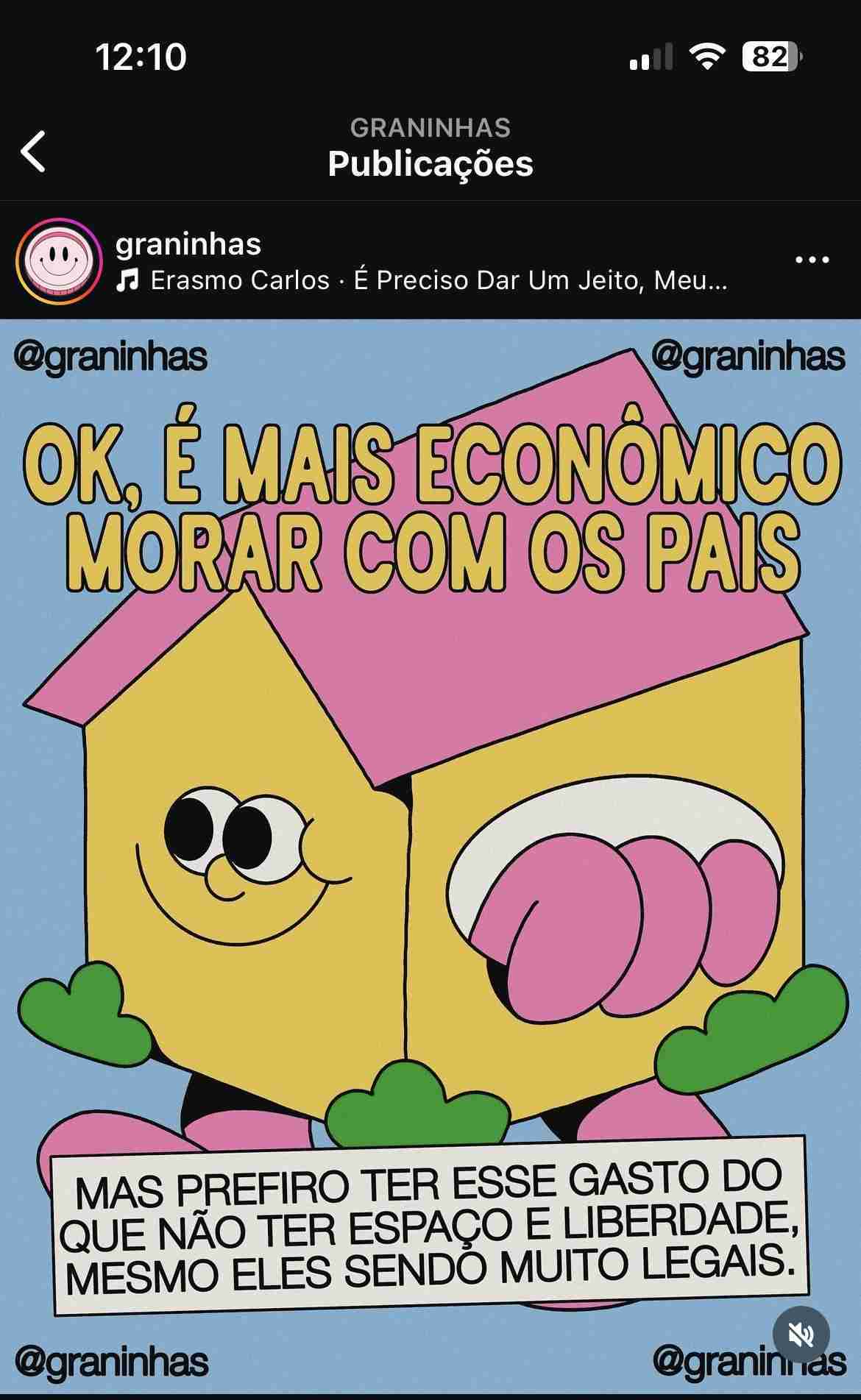


But there’s a new player in this dopamine release. It started discreetly on social networks, through informative posts but in a cheerful, nostalgic and/or funny format. Popular examples in Brazil include posts by Obvious, Graninhas and The Summer Hunter. Although these three accounts provide relevant and interesting content, the (probable) main reason for so much sharing is their aesthetics. They are always colorful, illustrated, aesthetically pleasing posts with lots of visual information, often using visual maximalism.
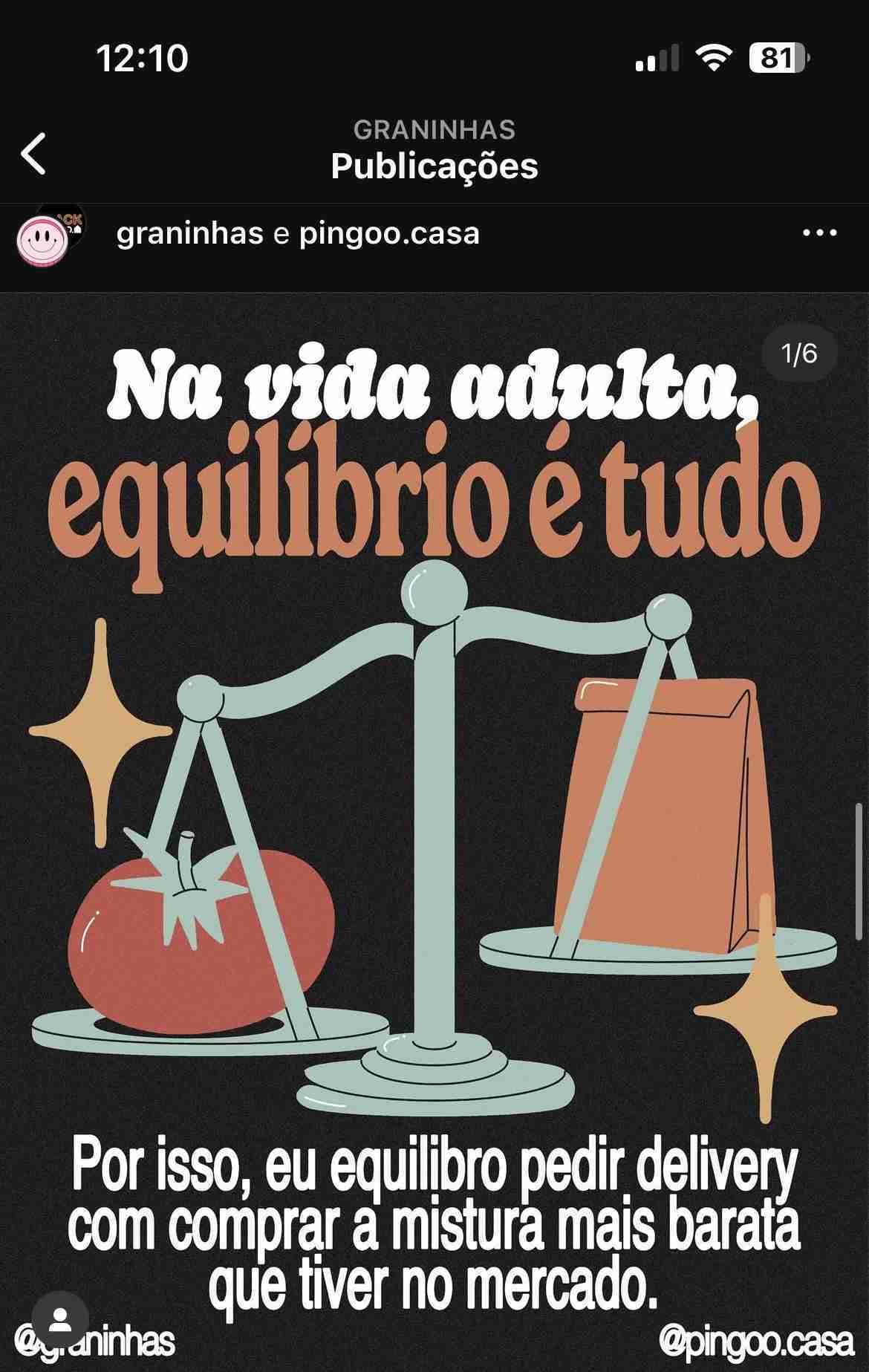

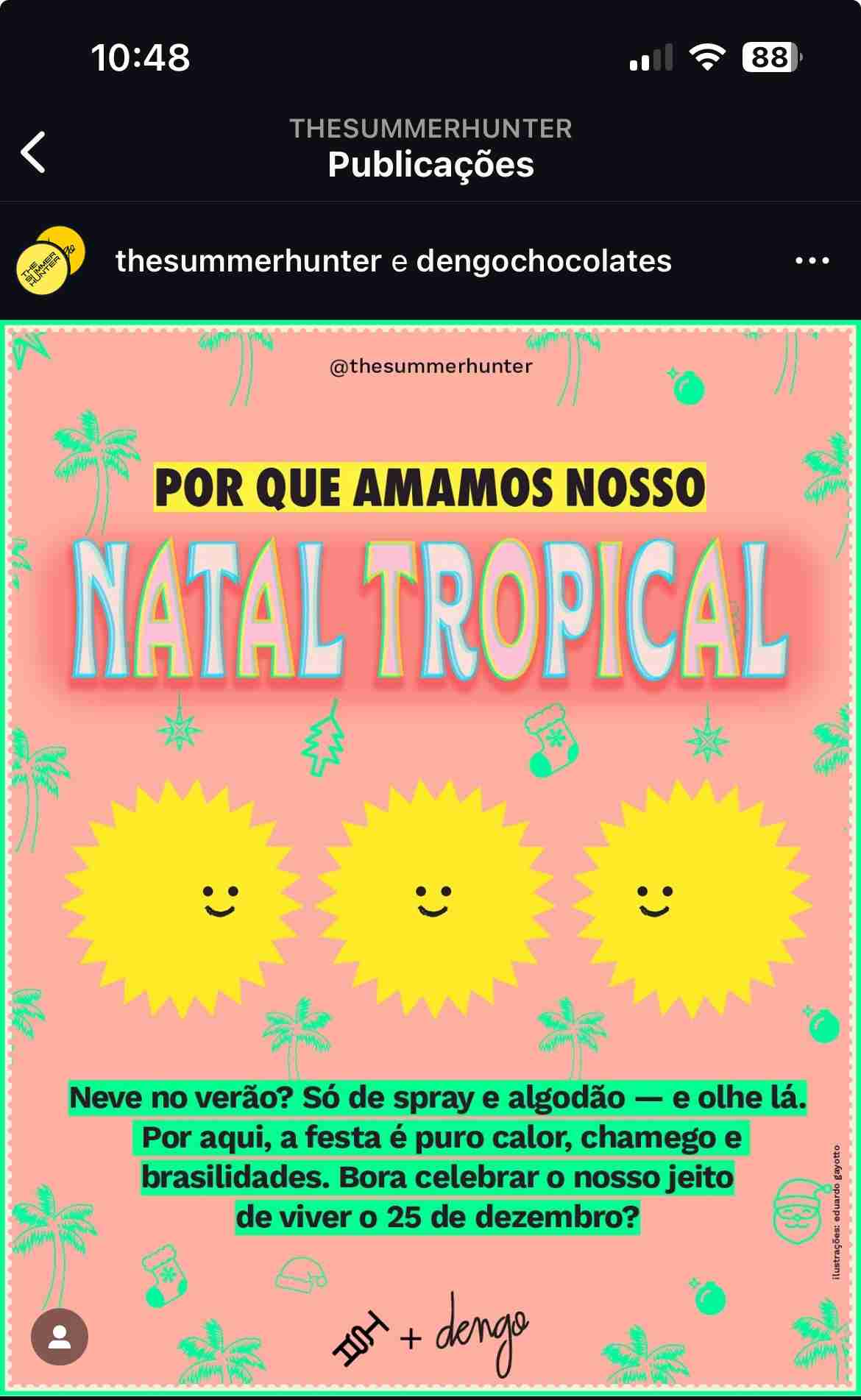
And brands have already understood the scope of this new format. All the examples mentioned have already made posts that are advertising, but without making anything explicit. The topics remain relevant and serious, but are slightly linked to the partner brand. It’s not the direct sale of a product, it’s an investment in continuing in the dopamine format – keep doing exactly the same, but create some relationship with me.
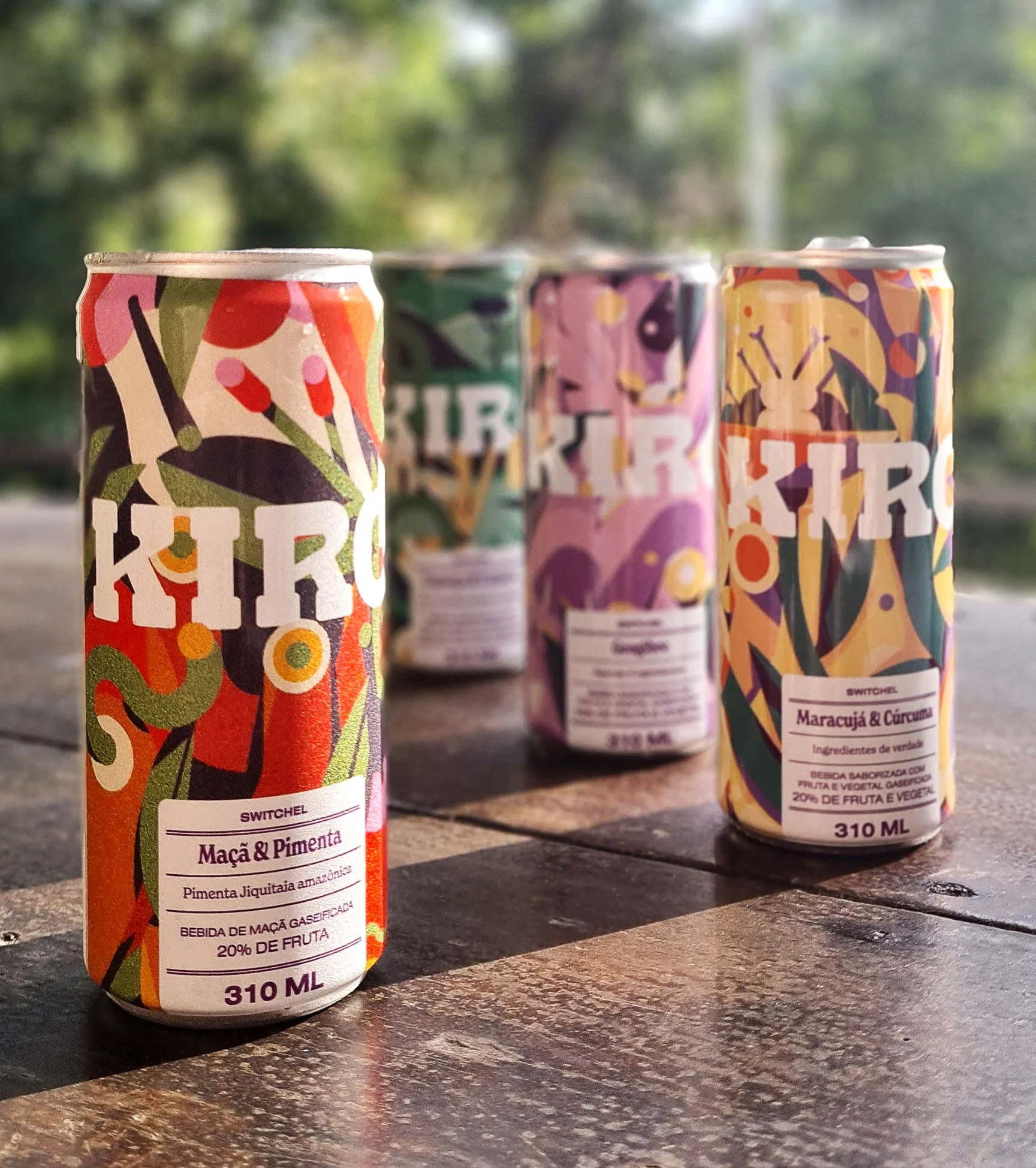
Kiro brand
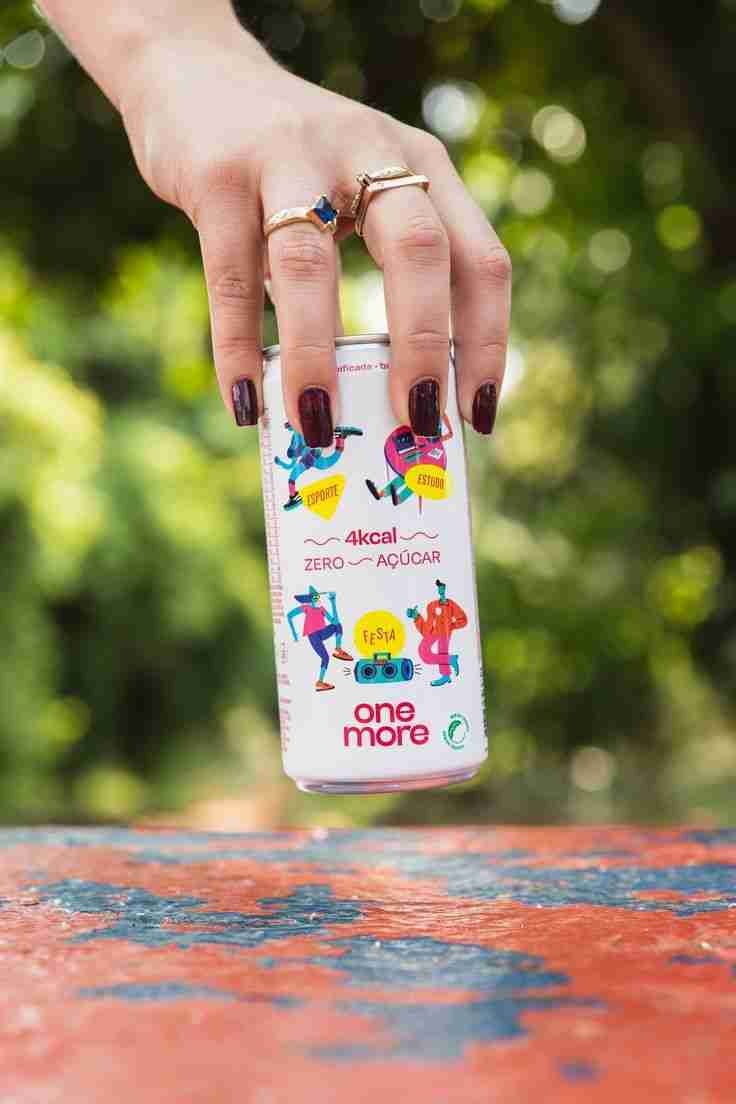
One More brand
How is this outside the digital environment? The need to bring out this “dopamine” has left social networks and has already been transformed into flashy, colorful, cheerful, intense new products. One industry that is doing this excellently is the drinks industry, with very creative packaging, but this 90s, illustrated, happy and maximized aspect also appears in other products and services, andit’s not so rare to find people collecting drinks bottles because they’re pretty.
The aim is always to create an emotional and instant response.
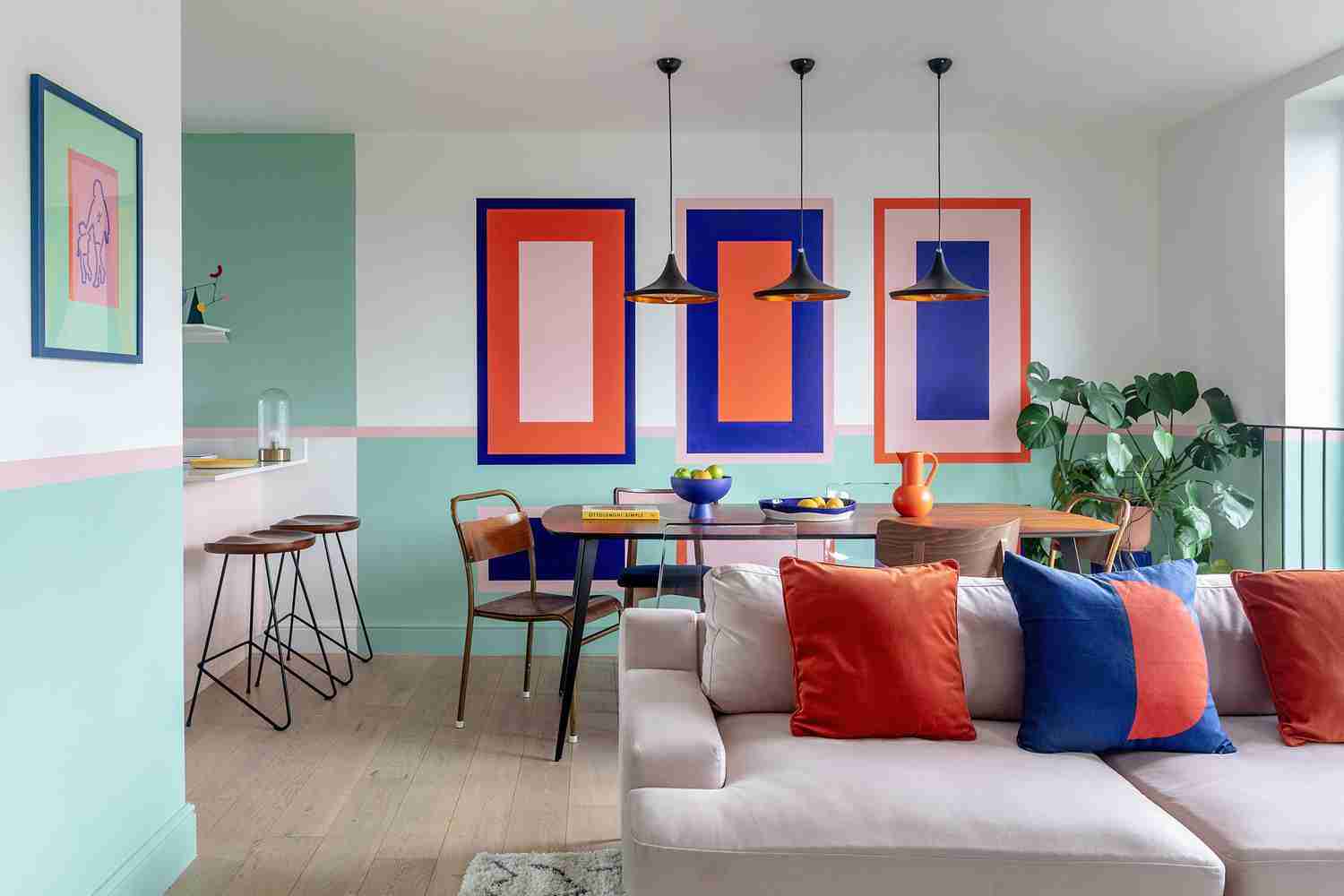
This universe has even reached the decorative world! Dopamine decoration means bringing in all the elements that evoke happiness without much effort – cheerful colors, use of natural light, brightly colored posters, an abundance of plants and other examples bring in that addictive dopamine.
Dopamine design is a clear reflection of the times we live in: a reality of endless stimuli, in which the unconscious search for instant happiness and emotional connections has become routine. Whether digital, physical or decorative, this trend doesn’t just please the eye – it speaks directly to our emotions. And that’s why it works so well.


